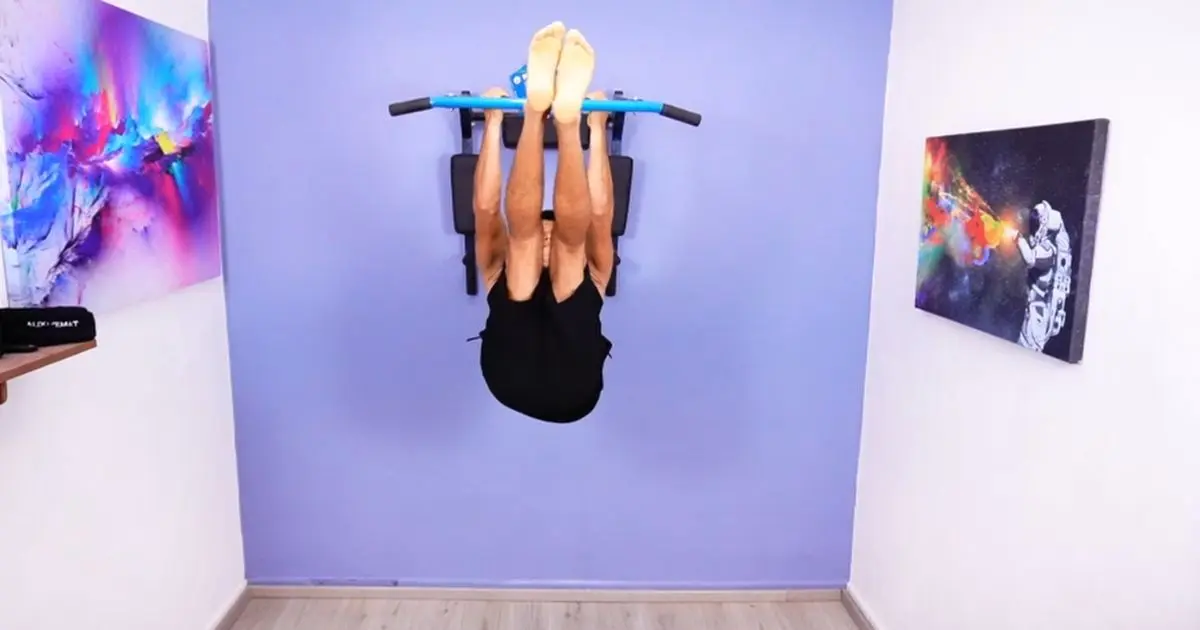
If you've ever looked at a pull-up bar and thought "not yet" — this guide is for you. Home pull-ups are one of the most effective upper body exercises you can do, and you don't need a gym to get started. Whether you're building a home workout (LINK) routine or just want to finally nail your first rep, this breakdown keeps it simple and practical.
What Are Pull-Ups and Why They Matter
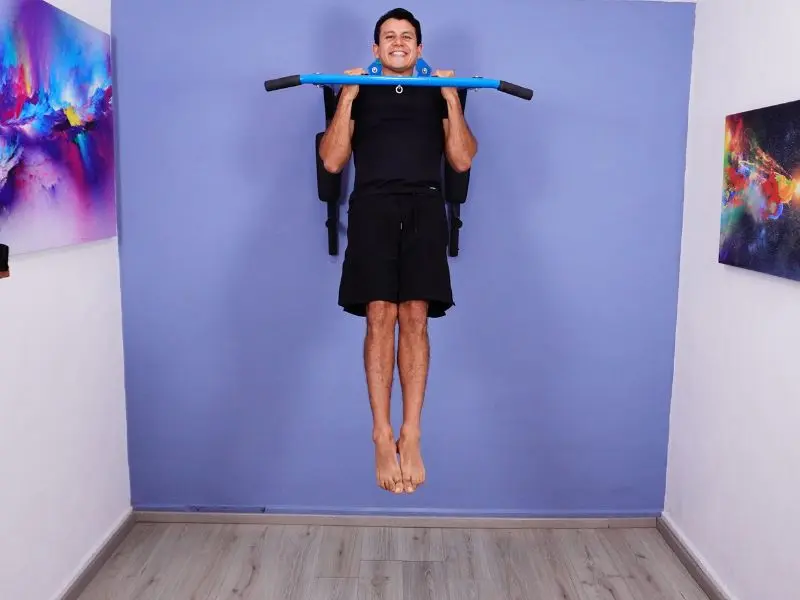
What are pull-ups? A pull-up is a bodyweight exercise where you hang from a bar with an overhand grip and pull your body up until your chin clears the bar. That's it — no machines, no cables, just you and gravity.
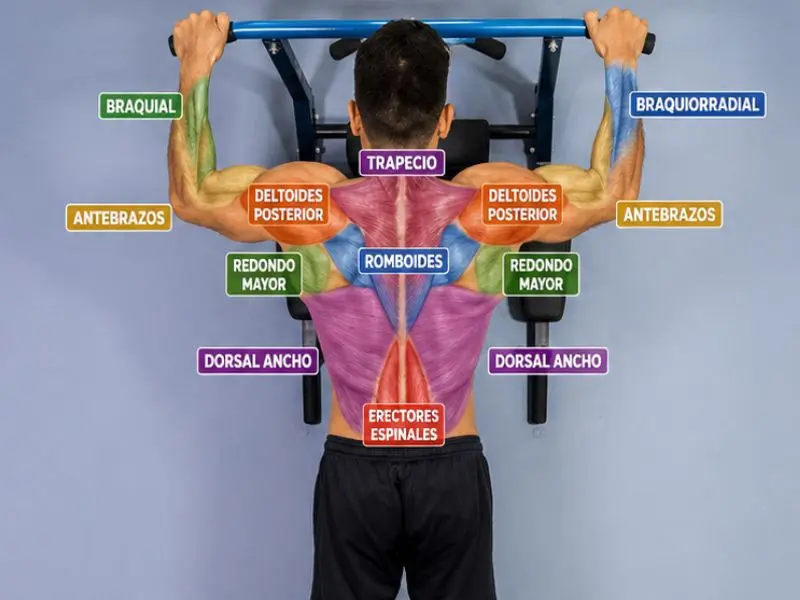
What are pull-ups good for? They train your back, biceps, shoulders, and core all at once. For beginners, few exercises deliver this much return per rep.
The difference between pull-ups and chin-ups comes down to grip: overhand (pull-up) puts more emphasis on the back; underhand (chin-up) shifts more load to the biceps. Both are useful — but if you're just starting, the standard pull-up is the foundation.
How to Do Home Pull-Ups: Step-by-Step for Beginners
Before you attempt your first rep, nail the setup:
Step 1 — Get the right grip Grab the bar slightly wider than shoulder-width with an overhand grip. Wrap your thumbs around the bar for control.
Step 2 — Start from a dead hang Let your arms fully extend. Shoulders packed down (not shrugging up). This is your start position — don't skip it.
Step 3 — Engage before you pull Take a breath, brace your core, and squeeze your glutes slightly. Think about pulling your elbows down toward your hips — not just lifting yourself up.
Step 4 — Pull until your chin clears the bar Move in a controlled arc. Don't jerk or kip. Your chest should approach the bar as you reach the top.
Step 5 — Lower with control Don't drop. Lower yourself slowly back to a dead hang. That negative rep builds strength too.
If you can't do a full rep yet, check out these pull-up bar exercises for beginners to build the baseline strength you need first.
Types of Pull-Ups to Know as a Beginner
Once you're consistent with the standard form, you'll want to explore other types of pull-ups:
Wide-grip pull-up — broader grip, more lat activation
Neutral grip pull-up — palms facing each other, easier on the wrists
Chin-up — underhand grip, more bicep involvement
Close-grip pull-up — hands close together, shifts load to lower lats and arms
You don't need to master all of these now. Start with the standard form, get 5 clean reps, then explore. For arm-focused variations, pull-up bar arm exercises covers exactly that.
What If You Can't Do One Yet?
That's normal. Build up with these progressions:
Dead hangs — just hang and hold for 10–20 seconds
Scapular pulls — depress and retract your shoulder blades without bending your arms
Negative reps — jump to the top position and lower yourself slowly
Band-assisted pull-ups — use a resistance band looped on the bar to reduce load
Pair these with a consistent bar workout routine and you'll hit your first clean rep faster than you think.
Home pull-ups are a long game — but the payoff is real. Start with proper form, build with progressions, and stay consistent. You don't need much equipment to make it happen either.
If you're looking for a reliable bar to train at home, the Pull-Up and Dip Bar TBX Galactic is worth a look — built for exactly this kind of training.