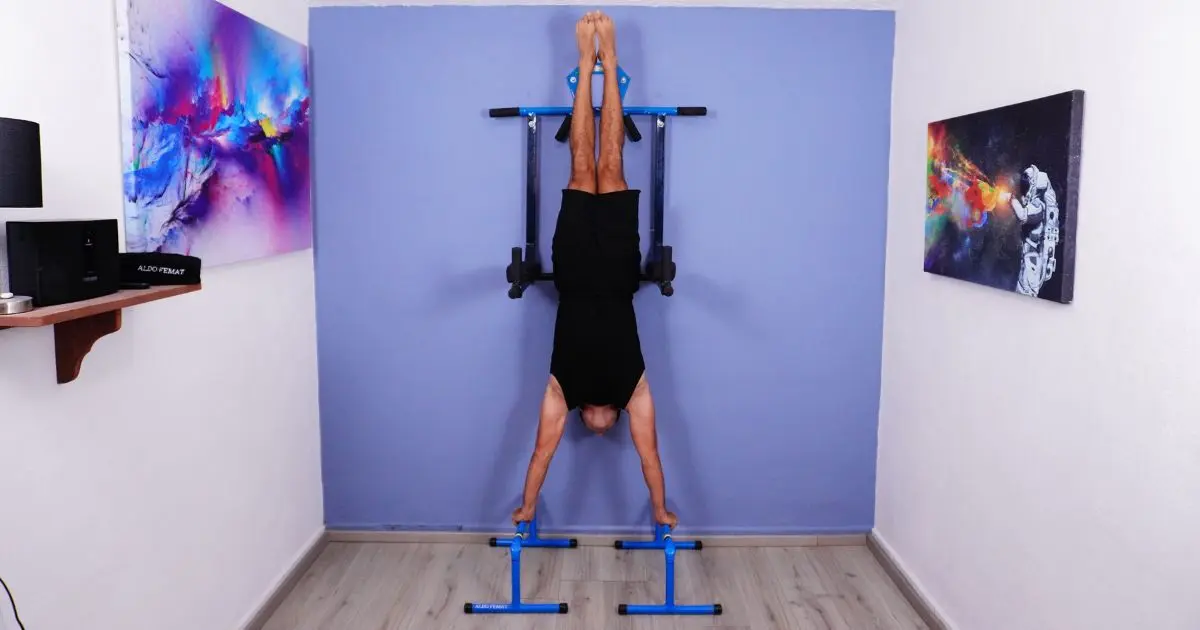
If you've been training with a bar for a while and basic pull-ups no longer challenge you, it's time to restructure your approach. A well-designed bar workout routine at the advanced level isn't just about doing more reps — it's about controlling every movement, adding intensity, and building toward skills that demand real strength. This is the kind of training that fits naturally into a broader home workout (LINK) practice.
If you're still building your base, check out pull-up bar exercises for beginners before jumping into this program.
How to Structure an Advanced Bar Routine
At this level, training sessions need clear intent. Each workout should target a specific output — maximum tension, skill development, or volume — rather than just logging reps.
Use this weekly structure as a starting point:
Day 1 — Strength (weighted or skill-based)
Weighted pull-ups: 5 sets × 3–5 reps
Archer pull-ups: 4 sets × 4–6 reps per side
L-sit hold: 4 sets × 10–15 seconds
Day 2 — Rest or active mobility
Day 3 — Volume
Pull-ups: 5 sets × max reps (stop 2 short of failure)
Chest-to-bar pull-ups: 4 sets × 6–8 reps
Bar dips: 4 sets × 10–12 reps
Day 4 — Rest
Day 5 — Skill
Muscle-up transitions: 5 attempts
Slow negatives (6–8 seconds down): 4 sets × 4 reps
Ring or false grip holds: 3 sets × 20 seconds
Progression Logic
Add load or difficulty — not just volume. When you can complete all prescribed sets and reps with full control, increase resistance (add weight, shift grip, lengthen lever) before adding more sets.
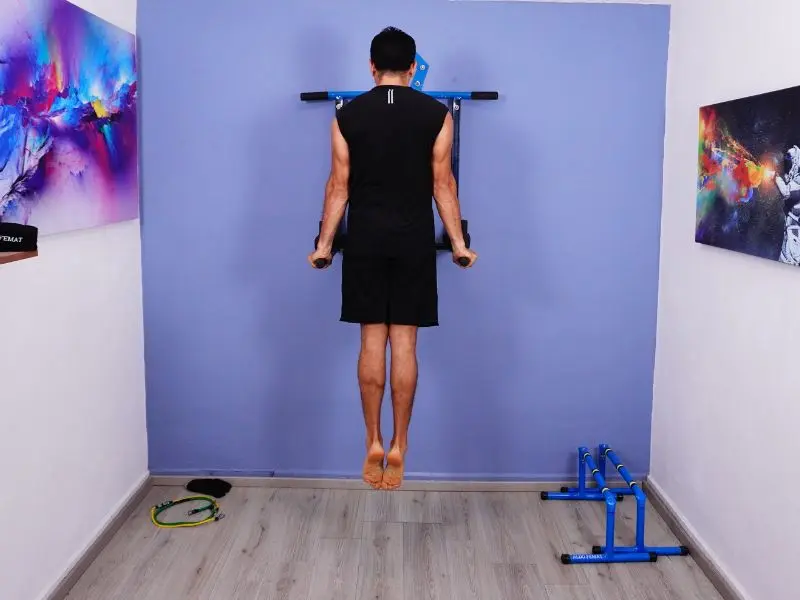
Key Exercises for Your Home Bar Workout
A strong home bar workout at this level goes beyond standard pull-ups. These are the movements that deliver the most return:
Archer pull-ups — shift horizontal load to one arm progressively. Builds the unilateral strength needed for one-arm pull-up work.
Chest-to-bar pull-ups — require full scapular retraction and a longer range of motion. Bridges the gap toward muscle-ups.
Weighted pull-ups — the fastest path to raw pulling strength. Use a belt, vest, or backpack.
Slow negatives — maximum time under tension on the eccentric phase. Essential for tendon adaptation.
L-sit to pull-up — combines core compression with pulling. Highly demanding on total body control.
For arm-specific bar movements, pull-up bar arm exercises covers isolated work that pairs well with this routine.
Recovery and Consistency in a Bar Routine
Advanced bar training stresses connective tissue heavily. Recovery isn't optional — it's part of the program.
Train pulling movements 3 times per week maximum
Sleep 7–9 hours; tendons recover slower than muscle
Manage grip fatigue — chalk helps, but rest matters more
Track your sessions; progress at this level requires data
For more on structured pull-up progressions at home, visit Pull-ups at home (LINK).
A structured approach to your bar workout routine is what separates plateaus from real progress. Stay consistent, progress deliberately, and let the movements build on each other. If you're looking for a solid bar to support this kind of training at home, check out the Pull-up and Dip Bar TBX Galactic — built for advanced home athletes.